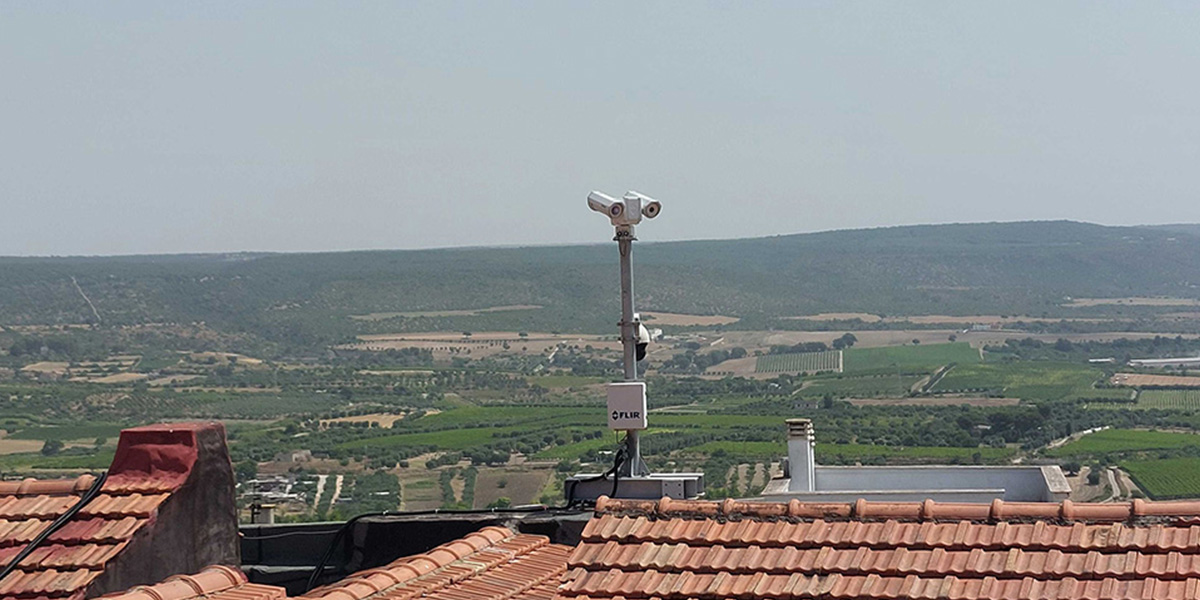
Stop Fires Before They Start: Protect Your Forestry Operation with FLIR

EARLY FIRE DETECTION
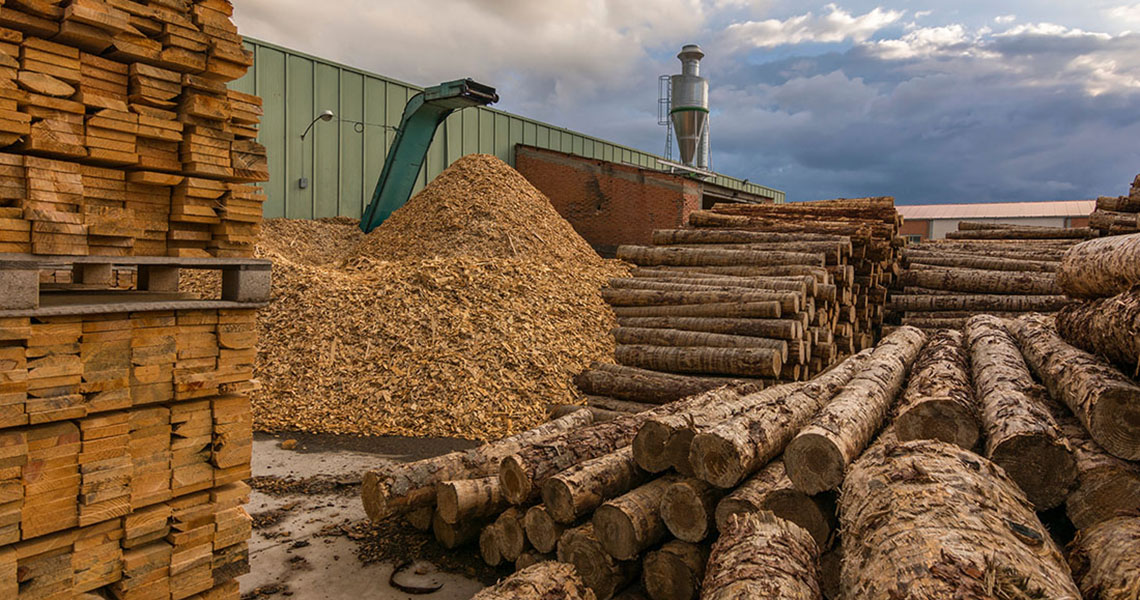
Wood Processing Facilities
Forest product facilities are some of the most fire-prone environments in modern industry, thanks to the use of kilns, dryers, log vats, and conveyor-fed machinery that expose wood to elevated temperatures. Add in the dry, dust-heavy conditions plus resin build-up, fluctuating airflows, and outdoor exposure—and the risk of smouldering hotspots or full ignition increases exponentially.
FLIR thermal sensor systems provide early fire detection for forestry operations, helping prevent ignition, protect infrastructure, and improve uptime in high-risk environments from sawmills to biomass storage yards.
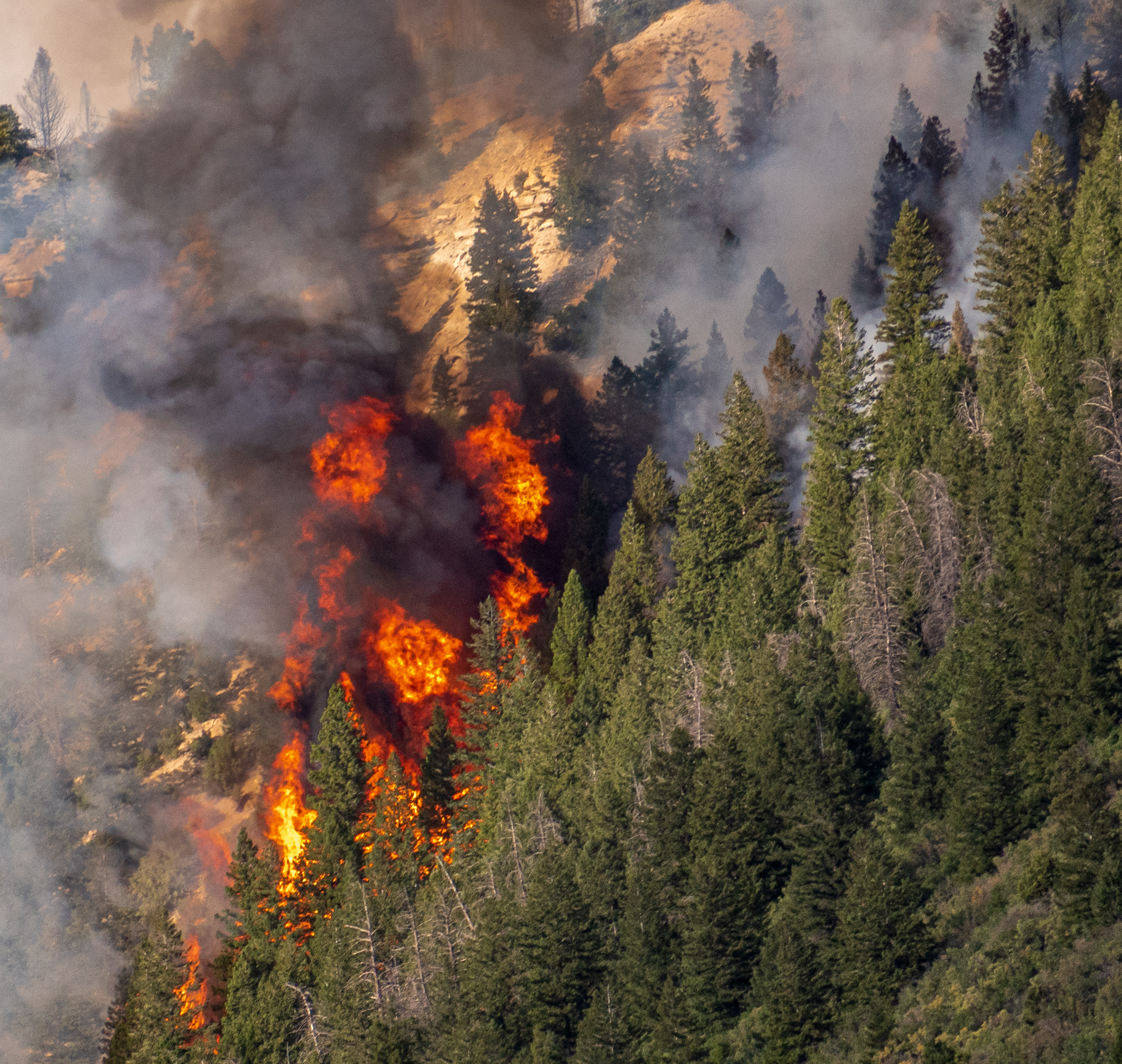
REAL-WORLD FIRES SHOW WHY EARLY DETECTION MATTERS
Forestry operations continue to suffer catastrophic losses due to fire, often without warning.
- In 2023, wildfires in Chile burned over 430,000 hectares, destroyed more than 1,180 homes, and cost the pulp and forestry sector over $50 million USD in disruption.
- U.S. fire departments responded to approximately 110,000 non-residential building fires in 2023 alone, resulting in $3.16 billion in property damage, with many occurring in manufacturing and wood-processing sites where kiln and dryer hazards are present.
- Between 2017 and 2021, an annual average of 36,784 industrial or manufacturing fires were reported, causing over $1.5 billion in direct property losses, according to the NFPA.
Whether the source is a misfiring planer, a smouldering kiln duct, or a biomass pile left unchecked, these fires don’t just damage equipment—they can derail production for weeks or months, cost lives, and even act as the catalyst to trigger wider wildfires.
Challenges for the industry include:
- Finding a detection system that is fast enough and provides broad enough coverage to meet the demands of dynamic forestry environments and 24/7 production facilities.
- Monitoring kilns and dryers that operate under intense heat and humidity, where combustion can start internally.
- Monitoring the friction generated by planer mills, motors, and mechanical systems amid dust that can ignite in mere seconds.
- Monitoring outdoor storage areas and vats that are exposed to the elements, making them especially unpredictable ignition zones.
- Delays in emergency response that can give even the smallest of hot spots enough time to snowball into devastating fires.
FLIR thermal solutions for Early Fire Detection (EFD) solve these problems with contactless infrared monitoring that detects heat anomalies well before flames appear, even behind panels, ductwork, or storage piles.

Recommended FLIR Products for Wood Processing Facilities
Read More About EFD for the Wood Processing Industry
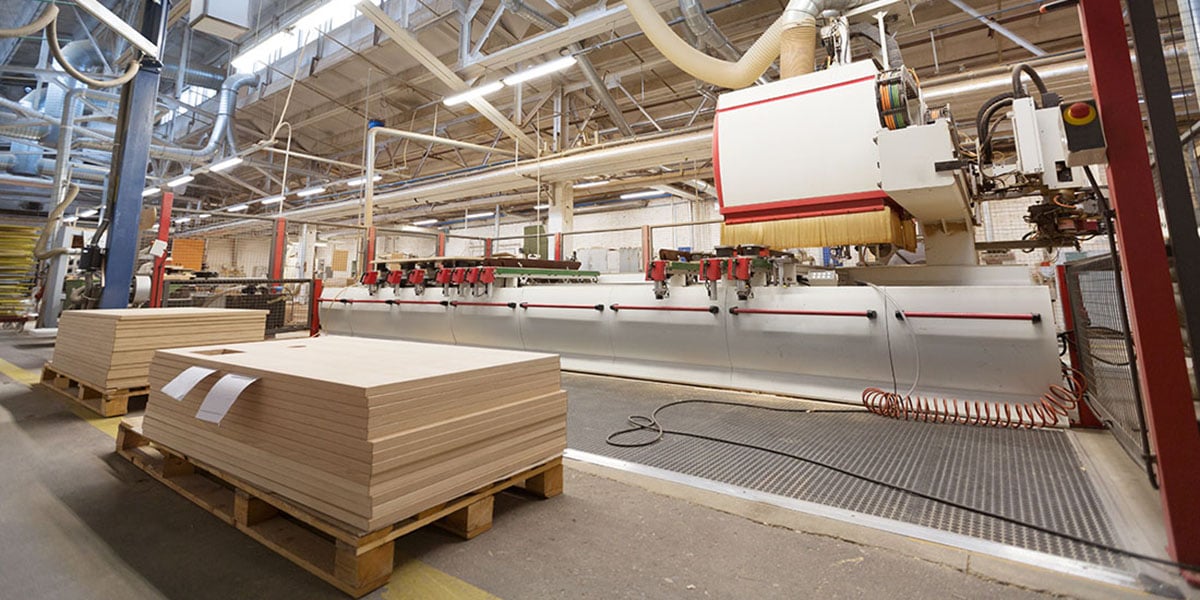
Thermal Imaging for the Wood Products Industry: Enhancing Safety, Quality, and Operational Uptime
Read the Story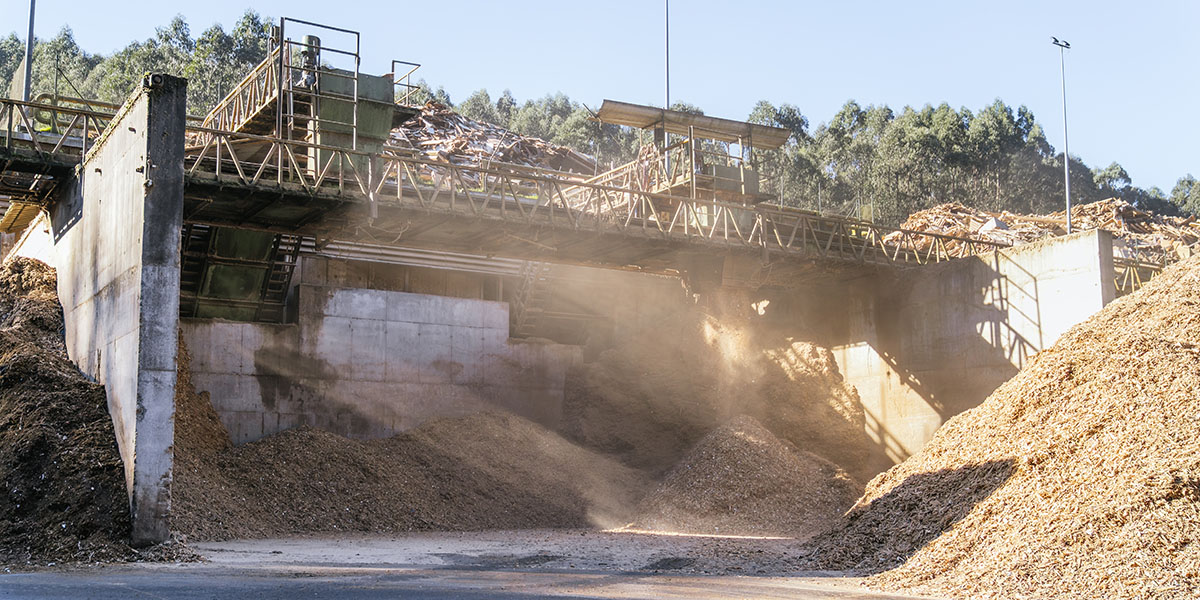
How Thermal Imaging Can Help Companies Prevent Fires Before They Ignite in Bulk Storage Zones
Read the Story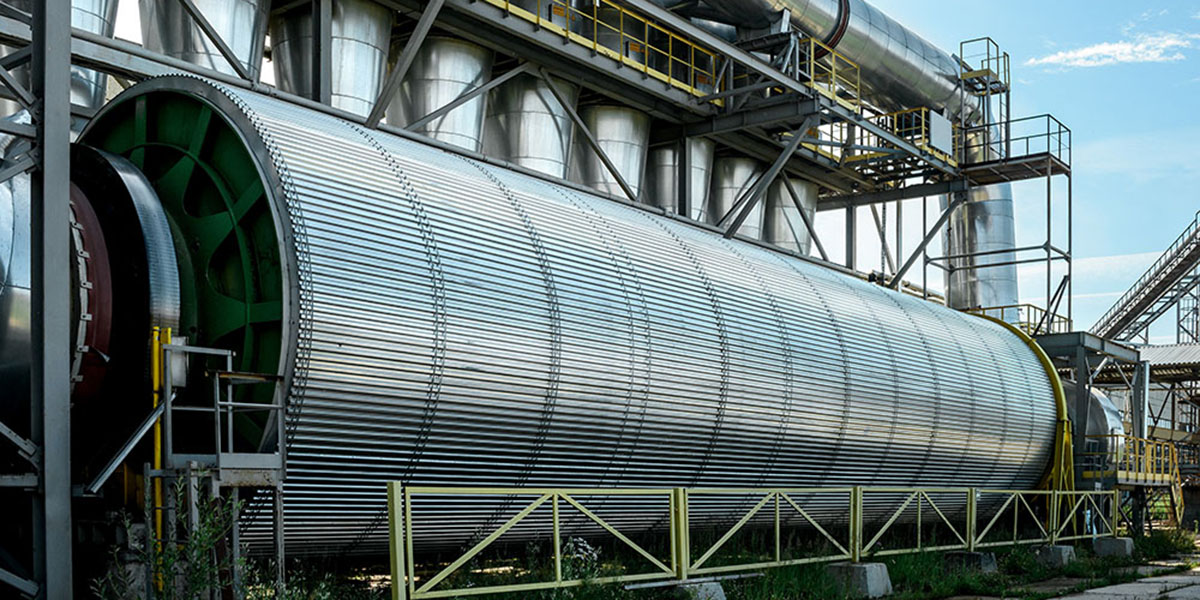
From Heat to Hazard: Why Forestry Kilns and Biomass Dryers Need Early Fire Detection Systems
Read the Story